


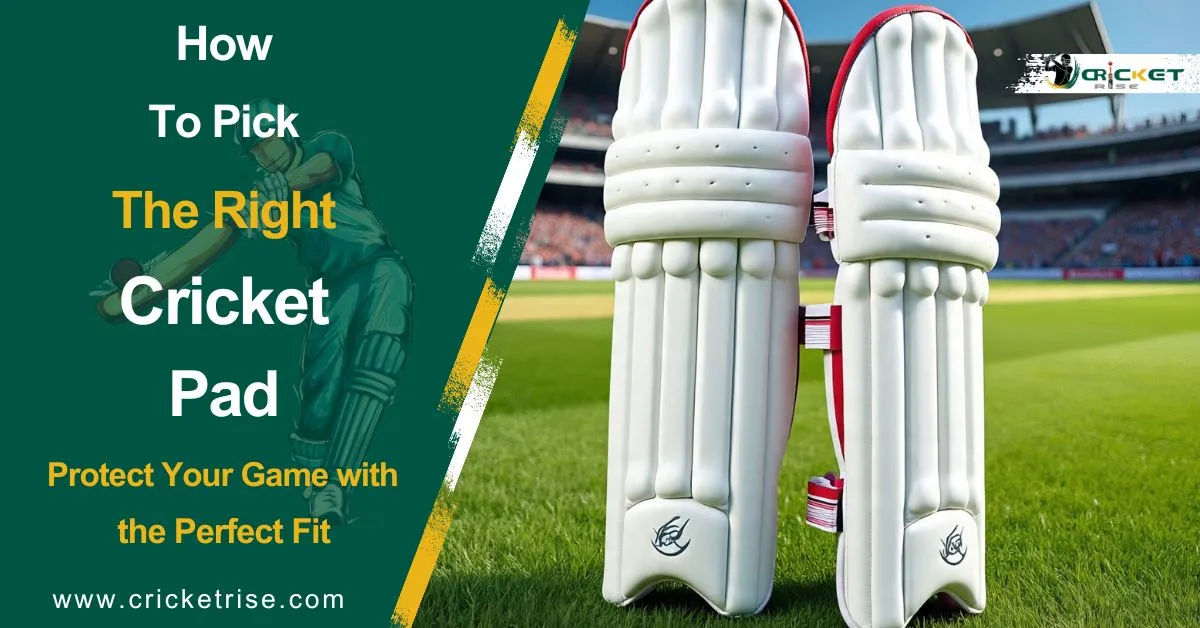
How to Pick the Right Cricket Pads?
Cricket pads seem simple from the outside. You walk into a sports shop, you see rows of pads hanging on the wall, and you feel like most of them look the same. But the truth is very different. Picking the right cricket pads can quietly change the way you bat, the way you move, and even the confidence you feel when a fast bowler steams in at 135 km/h. Many players don’t think much about pads, but pads are not just something you tie on your legs — they are protection, comfort, balance, and safety together.
If you choose the wrong pair, you will feel heavy, slow, and uncomfortable. Shots that you normally play with ease suddenly feel restricted. Sometimes, players lose focus just because their pads keep slipping. On the other hand, the right pads feel like a natural part of your body. They sit well, move well, and don’t distract you. This is why understanding how to pick the right cricket pads matters.

You don’t need to be a pro. Even beginners, school cricketers, club players, and tape-ball lovers can benefit from choosing the correct pads. And the best part? You don’t need to buy the most expensive ones. You just need the ones that truly fit you. Let’s break it down in the simplest, clearest, and most practical way.
Why Choosing the Right Pads Matters More Than You Think
Many young players rush to buy bats, gloves, and jerseys first. Pads are usually the last thing they think about. But cricket pads play a bigger role than people realize. Here are three reasons:
1. They protect the most exposed parts of your body
Your legs, especially your shins and knees, take the direct hit when you misjudge a delivery. Even a 120 km/h ball can leave a deep bruise. Without proper padding, that impact can be dangerous.
2. Good pads improve your movement
The right cricket pads let you:
- Lean forward in defense smoothly
- Move back for short balls without sticking
- Run quick singles without banging into each other
- Sweep and slog-sweep without feeling stuck
Bad pads block movement, interrupt your footwork, and make you slower.
3. They give confidence
A batter who feels fully protected naturally plays better. Confidence is not only mental — it’s also physical. The right pads reduce fear of injury, helping you focus on timing, not danger.
Different Types of Cricket Pads and Their Purpose
Before buying pads, you must know which types are available. Not all pads are built for the same level or playing style.
1. Traditional pads
These have cane rods in front, thick padding, and heavy foam. They are very protective but sometimes heavier.
Best for:
- Long innings
- Red-ball cricket
- Players facing faster bowling
2. Lightweight modern pads
Made from high-density foam (HDF), these are lighter and easier to move around in. They don’t have cane rods.
Best for:
- Fast-paced cricket
- T20 batting
- Players who focus on agility
3. Junior pads
These are smaller in size for kids and teenagers. Their shapes, weights, and protection levels vary by age group.
4. Wicketkeeper pads
Slim, rounded, and different from batting pads — not relevant to batting, but good to know. When buying batting pads, you only consider the first two types.
The Fit: The Most Important Thing in Choosing Pads
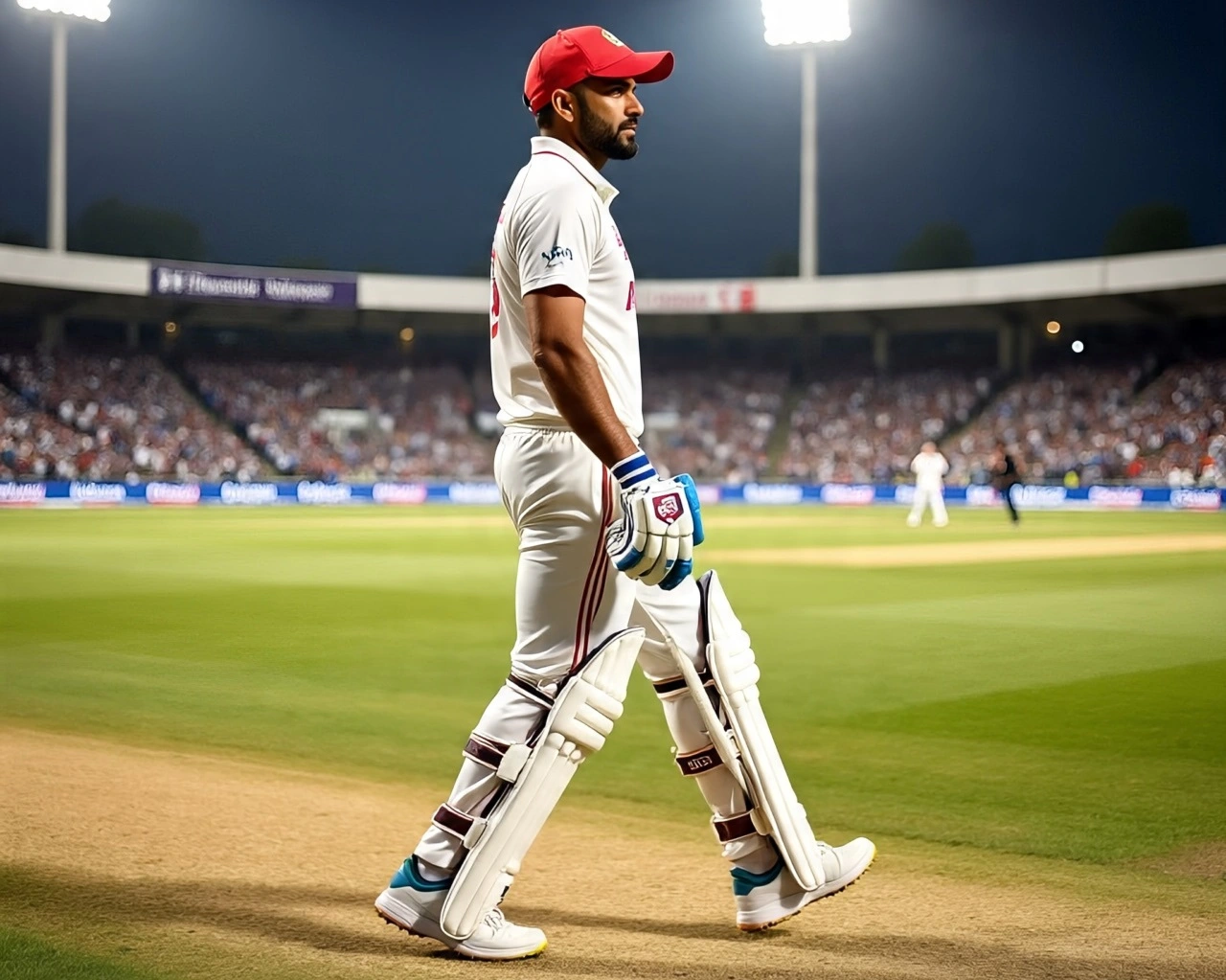
Pad size is not only about your height. Many players make this mistake. Perfect pad fitting depends on how the pad sits on your knee roll.
Here’s a golden rule:
If your knee lines up exactly with the center of the knee roll, the pad fits you. That’s it. Simple. But let us explain more deeply.
Why knee alignment matters
When the knee roll sits correctly:
- You can bend naturally
- You get full protection on impact
- The pad won’t slip down
- You can move smoothly while playing shots
If the knee sits above the knee roll = the pad is too small.
If the knee sits below = the pad, it is too big.
Both situations are bad because they create gaps and discomfort.
How to Check the Perfect Size in Seconds
When you try the pads:
- Tie them properly
- Stand up straight
- Bend your front leg as if leaving a delivery
- Look at where your knee sits
If it aligns with the knee roll groove, you’re good.
Sizes usually include:
- Extra Small (XS)
- Small (S)
- Youth
- Boys
- Men’s
- Large Men’s
But brands vary. Some brands’ “Men’s” is another brand’s “Youth.” That’s why testing is better than guessing.
Comfort: The Hidden Factor Most Players Ignore
After checking the size, you must check the comfort levels. Comfort is not a luxury — it affects performance.
Here’s what makes pads comfortable:
1. Inside padding softness
The inner padding should feel soft, not rough. Poor padding causes rashes or irritation when sweating.
2. Weight distribution
Light pads are good, but balanced pads are better. A pad should not feel heavy at the bottom or bulky at the top. The weight should feel equal across the entire pad.
3. Side wing flexibility
The side wings protect the sides of your legs. They should not poke into your calf.
4. Straps
Straps should:
- Feel soft
- Be wide enough
- Don’t dig into your skin
- Not loosen during running
Some pads have a towel-like strap lining for extra comfort.
Material Matters: What’s Inside Good Pads?
Let’s look at what makes pads protective yet comfortable.
1. High-density foam (HDF)
Very protective and lightweight. Found in modern pads.
2. Cane rods
Used in traditional pads. Offer great shock absorption but add weight.
3. TPU (Thermoplastic polyurethane) inserts
Strengthen the knee area and absorb high-speed impacts.
4. Cotton and microfiber lining
Used inside to make the pad soft on the skin.
5. Velcro straps
High-quality Velcro ensures a strong grip and long-term durability. Each material has its purpose. Your ideal pad depends on what you value more — weight, protection, comfort, or durability.
Movement Test: The Step Every Player Should Perform
One of the best ways to check pads is not by wearing them — but by moving in them.
Here’s what to do:
- Shuffle sideways like a batter avoiding a yorker
- Take a quick imaginary single
- Bend as if sweeping
- Lean back like playing a pull shot
- Walk around for 30 seconds
If the pad doesn’t shift, rub, or restrict movement, it’s a good fit.
Choosing Pads Based on Your Playing Style
Every batter has a slightly different style, and pads should support that.
1. Front-foot players
Players who drive a lot should choose pads with:
- Strong knee protection
- Sturdy front panel
- Extra shin cushioning
2. Back-foot players
If you love cuts and pulls:
- Lightweight pads
- Slim design
- Less bulky side wings
These support fast movement.
3. Sweep-heavy players
If you play sweeps often:
- Flexible knee roll
- Soft inner lining
- Pads that don’t rise during bending
4. Power hitters (T20 style)
Go for:
- HDF pads
- Ultra-light designs
- Minimum cane rods
These help with speed and agility.
Brand Quality — Is Price Everything?
Not true. High price does not always mean high quality. Many mid-range pads offer excellent protection and comfort.
Here’s a general breakdown:
Budget Pads
Good for:
- Beginners
- Tennis-ball or soft-ball cricket
- Kids
Mid-Range Pads
Best for:
- Club cricket
- Hard-ball games
- Regular practice
High-End Pads
Ideal for:
- Advanced players
- Fast bowling conditions
- Long matches
Buy what matches your level, not what looks expensive.
Durability: How Long Do Good Pads Last?
If you take care of pads, they easily last:
- 1–2 years for daily practice
- 3–4 years for weekly players
- 5+ years for kids and beginners
Signs your pads need replacement:
- Loose straps
- Foam losing shape
- Hard patches inside
- Heavy smells even after drying
- Outer-facing cracking
Mistakes Players Make When Choosing Pads
Here are the most common mistakes:
- Buying oversized pads “to grow into them”
- Choosing the cheapest pads without testing
- Ignoring knee alignment
- Buying hard pads that hurt while bending
- Going only for brand names
- Choosing heavy pads for T20-style batting
Avoiding these will save you money and frustration.
A Simple Buying Checklist
When you stand in the shop or browse online, remember this checklist:
- Knee lines up perfectly
- Pads feel light on your legs
- Straps are comfortable
- Side wings do not poke
- Flexibility is good for sweeps and forward shots
- There are no gaps near your shin
- Inner padding feels soft
- You can walk, bend, and run easily
If a pad checks these boxes, it’s a great choice.
Final Thoughts: The Right Pads Make Better Cricketers
People focus too much on the bat. But a good bat is only useful when your body is comfortable and protected. The right pads make you confident, stable, and fearless. They allow you to focus on reading the bowler, timing the ball, and playing your natural game.
Once you know how to pick the right cricket pads, you stop guessing and start choosing like a smart player. Whether you’re a beginner or a rising club cricketer, pads that truly fit your legs and your style can make a noticeable difference in your game.


