


What Is Super Over in Cricket?
A super over in cricket is a one-over tie-breaker used in limited-overs matches when both teams finish with the same score. Each team plays one extra over, and the side that scores more runs in that over wins the match. It is commonly used in T20 and ODI cricket.
Why Super Over Was Introduced and How It Changed Limited-Overs Cricket
Cricket has always been a game of patience. But limited-overs cricket is different. It demands a clear result. Fans do not want a match to end in confusion or shared points, especially in big tournaments. Before the super over format in cricket was introduced, tied matches were rare but difficult to settle. In some tournaments, teams shared the trophy.
In others, a bowl-out was used. A bowl-out was similar to a penalty shootout in football. Bowlers tried to hit the stumps without a batter. It felt strange to many fans. It removed the pressure of real match play. Cricket needed something more exciting and fair. That is where the super over tie breaker came in. The idea was simple. If a match ends in a tie, both teams get one more over to decide the winner. This extra over keeps the drama alive. It tests both batting and bowling under pressure. It feels like a mini match inside the match.
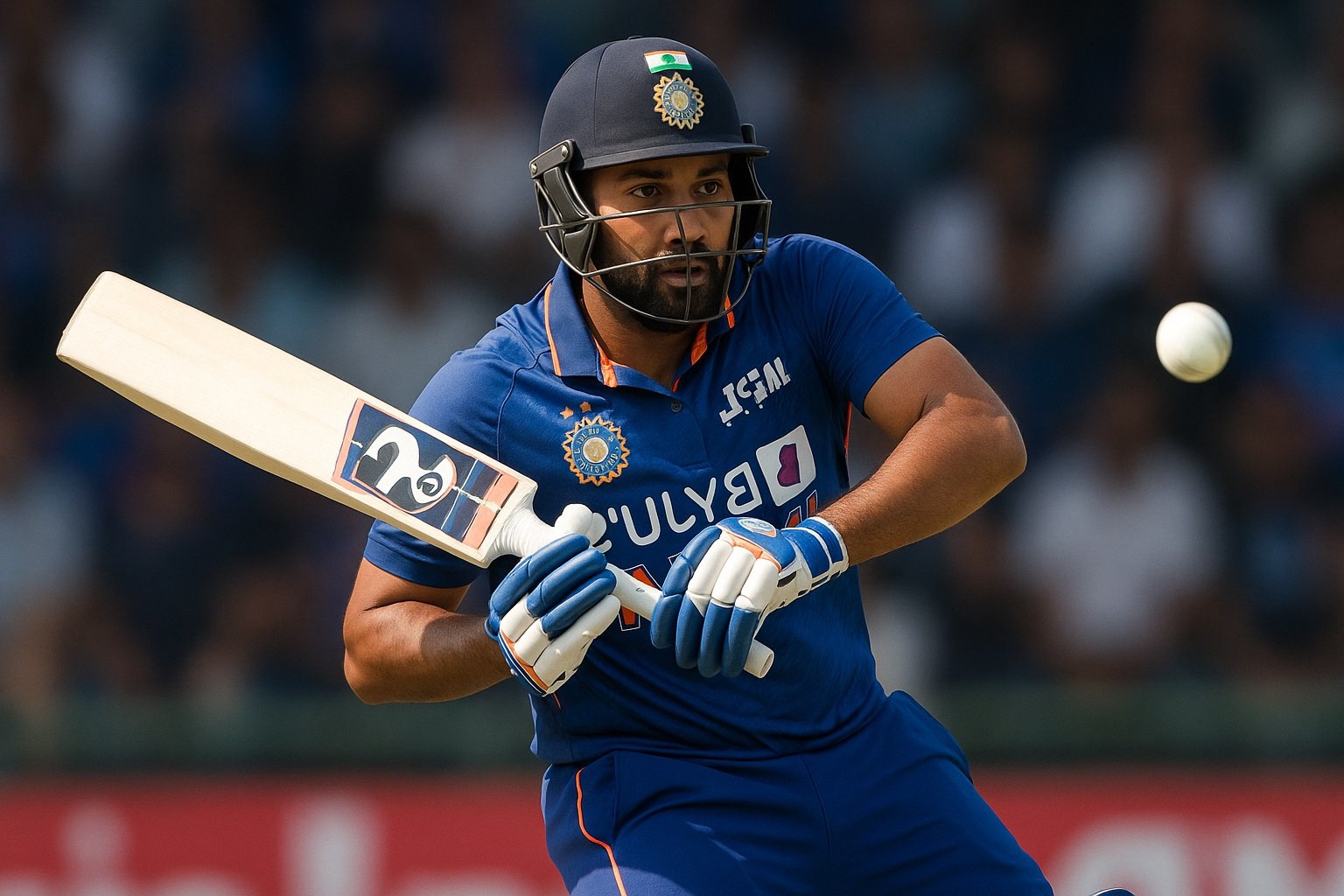
The super over became widely known after major ICC tournaments started using it. One of the most dramatic examples came in the 2019 Cricket World Cup Final. That match showed the world how intense a super over can be. The game ended in a tie. Then the Super Over also ended in a tie. It led to later debate and rule changes. But it made one thing clear. The super over was here to stay. Today, the super over in T20 cricket is common. It is also used in ODI matches during knockout games. However, it is not used in Test cricket. Test matches can still end in a draw.
The introduction of the super over winner rule gave limited-overs cricket a clear system. Instead of confusion, fans now expect one final burst of action. It is short. It is sharp. And it often becomes the most thrilling part of the match.
This is why understanding how Super Over works is important for both beginners and regular fans.
Super Over Rules Explained in Simple Words
The rules of a super over are not complicated. In fact, they are easy to understand once you break them down. First, each team gets one over. That means six legal balls. One team bats first.
The other team bowls and fields. Then they switch roles. Second, a team can lose only two wickets in a super over. Once two batters are out, the innings end even if balls are left. This rule adds pressure. Batters must attack but also avoid getting out.
Third, the runs scored in the super over decide the winner. If Team A scores 15 runs, Team B must score 16 to win. If they score 15, it becomes tied again. Under current ICC rules, another super over is played if needed. This is known as the double super over rule. The same pitch is used. The same players who were in the match can participate.
However, teams can choose any eligible batter or bowler from their playing XI. In most cases, a new toss is not required. The match conditions determine which team bats first in the super over. Often, the team that batted second in the main match bats first in the super over. But tournament rules may vary.
Now let’s talk about the super over format in cricket for different formats. In T20 matches, a super over is very common. League tournaments use it frequently because T20 matches often end in tight finishes. The super over in T20 cricket fits perfectly with the fast nature of the format. In ODI matches, it is usually used in knockout games or finals. League-stage matches may end in a tie and share points, depending on the tournament rules.
Test cricket does not use the super over. A tied Test match is extremely rare and remains part of cricket history. One important change happened after the 2019 World Cup controversy. Earlier, if the super over was also tied, the team that hit more boundaries in the match could be declared the winner. This boundary count rule was heavily criticized. It was later removed. If a super over is tied, another is played until a clear winner emerges. This change made the super over tiebreaker fairer and simpler. To understand how super over works in a real match, imagine this situation.
A T20 match ends with both teams scoring 170 runs. The crowd is tense. Players are tired. But the game is not over.
The umpires gather the captains. The super over is announced. One team sends two strong batters. The other team selects its best death-over bowler. Six balls. That is all they have. The batting team scores 14 runs and loses one wicket. Now the other team needs 15 runs in six balls. Every run matters. Every ball feels like the last ball of the match.
This is why Super Over creates so much drama. Let us also look at how it played out in the IPL. In the IPL 2020 Double Super Over, fans witnessed not just one but two super overs in the same game. The first super over ended in a tie. Then a second super over was played. It was rare. It was intense. And it showed how modern cricket handles extreme situations.
Now compare a normal over and a super over. In a normal over, the game continues as part of the larger innings. A bowler can settle into rhythm. Batters can build an innings. In a super over, there is no time to settle. Every ball is a high-risk moment. Batters usually try big shots from the first ball. Bowlers aim for yorkers and slower balls. Fielders are placed to stop boundaries. The pressure level is much higher than in a normal over. Strategy also changes.
Captains often choose their most experienced batter for the super over. Power hitters who can clear the boundary are preferred. Running between the wickets becomes crucial. A single run can change the outcome. On the bowling side, teams usually pick a specialist death bowler. Someone who is calm under pressure. Someone who can bowl accurate yorkers.
The mental strength required in a super over is huge. One mistake can cost the match. This is why many players say that the super over feels like a final exam. You either pass in six balls, or you lose. For beginners, the key thing to remember is simple.
A super over is just one extra over per team to break a tie. Score more runs in that over, and you win. For regular fans, the beauty lies in tactics, player selection, and handling pressure. It has become one of the most exciting elements of modern cricket.
Famous Super Over Moments and Why They Matter
Some super overs are remembered more than entire tournaments. The most talked-about example remains the 2019 Cricket World Cup Final. Both teams scored the same number of runs in the match. Then they scored the same number in the super over. At that time, the boundary-count rule was used to determine the winner. The decision sparked debate worldwide. Many fans felt that such a big final deserved a clearer finish.
As a result, cricket authorities updated the super over winner rule. Now, if the super over ends in a tie, another one is played. This continues until one team scores more runs. This rule is clearer and easier to understand. Another unforgettable moment came during the IPL 2020 Double Super Over. That match went into two super overs. It showed how fitness, bench strength, and mental focus matter in tight games.
These matches changed how teams prepare. Today, teams practice super over scenarios in training. Coaches plan who will bat and who will bowl in case of a tie. This shows that the super over format in cricket is no longer just a backup plan. It is part of the strategy.
Now, let us answer some common questions.
Many fans ask: how many wickets are allowed in a super over?
The answer is two. After two batters are out, the innings end.
Can the same bowler bowl the super over who bowled the last over of the match?
Yes, as long as tournament rules do not restrict it. There is no general rule stopping a bowler from bowling again.
Is super over used in Test cricket?
No. Test matches can end in a draw or a tie. A super over is only used in limited-overs cricket.
What is the double super over rule?
If the first super over ends in a tie, another super over is played. This continues until one team scores more runs.
Who bats first in a super over?
Usually, tournament playing conditions decide. Often, the team that batted second in the main match bats first in the super over. But rules may vary.
As you can see, the system is clear and fair. The super over tie breaker has added a new layer to modern cricket. It has reduced confusion. It has increased excitement. It has given fans unforgettable finishes.
Most importantly, it ensures that big matches end with a winner on the field. For beginners, it may feel like sudden death. For regular fans, it is a test of nerves. But for everyone, it is pure drama.
So the next time you watch a match and see the scores level at the end, do not switch off your TV. The real show might just be about to begin.
That is the magic of the super over in cricket.


