


Why is Cricket Called Cricket?
History
Possible Origins of the Word “Cricket”
- Old English – “Cric” or “Cryce”
This word meant a stick or staff, which matches the early bat used in the game. - • Old French – “Criquet”
This also meant a stick used in games, suggesting the sport may have borrowed influence from France. - • Middle Dutch – “Krick”
Meaning a stick or pole, possibly introduced by traders who traveled between England and the Netherlands.
Over time, the word describing the stick became the name of the game itself.

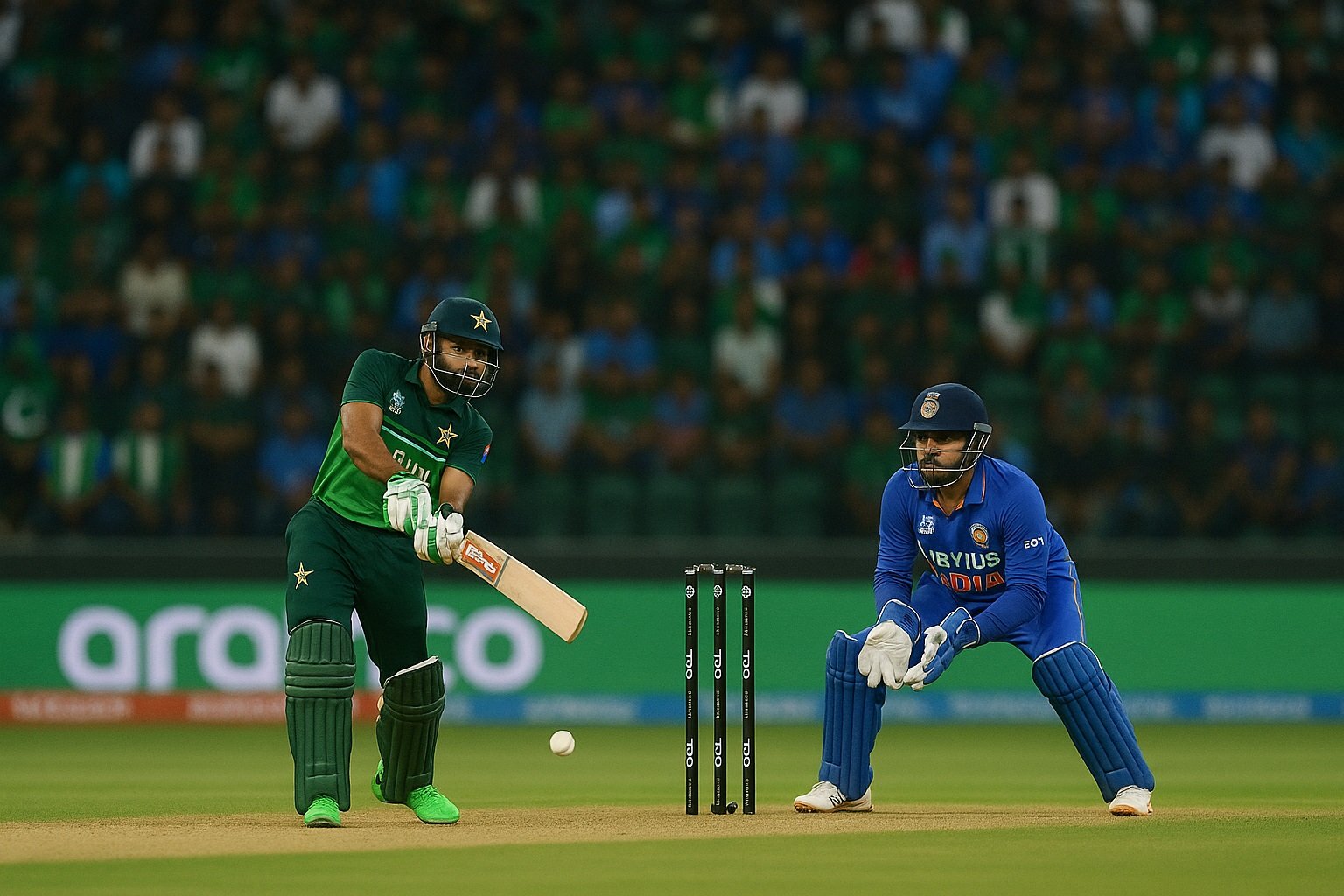
This is a million-rupee question: Who named cricket and why?
There’s no single person or group who claimed, the name evolved naturally as people began playing the game in medieval England and its surrounding European countries.
Here’s how it probably happened:
- Early villagers in southern England played a bat-and-ball game with a curved stick.
- Locals called the stick by its Old English or Dutch name.
- The game became popular, and the name stuck (pun intended!).
- With time, “cricc,” “krick,” and “criquet” all merged into “cricket.”
There is no official “naming ceremony”—just centuries of playing, adapting, and loving the game!
What Does ‘Cricket’ Actually Mean?
In simple terms, “cricket” refers to the bat or stick used in the game. If we look at the etymology:
- Old English “cricc/cricce/cryce” = stick, staff, or crooked stick
- Middle Dutch “krick(-e)” = stick, club
- Old French “criquet” = post or wicket
Over time, these words got mixed up in the melting pot of European languages, and “cricket” was born! So, next time someone asks you, “Why do they call it cricket?” say—it’s all about the stick!
Early Mentions of the Word ‘Cricket’ in History
Let’s get into the history of cricket name with some cool facts.
- The first written reference to cricket dates back to 1550 in Guildford, Surrey, England.
- By the 1600s, the word “creckett” appeared in several court and school documents.
- In 1598, a coroner mentioned “creckett” while talking about boys playing in a field.
- The word slowly became “cricket” in everyday speech by the late 17th century.
Timeline: From ‘Cryce’ to Cricket – Evolution of the Name Over Time
| Year | Reference | Name Used |
|---|---|---|
| 1300s | Old English | “Cryce” or “Cricc” |
| 1400s | Middle Dutch | “Krick(-e)” |
| 1500s | French/English | “Criquet”/“Creckett” |
| 1550 | England (Surrey) | “Creckett” |
| 1598 | English Courts | “Creckett” |
| 1700s | England | “Cricket” |
As you can see, the name has traveled through time and places, evolving just like the game itself.
History of Cricket in England
Cricket’s history in England:
- Cricket started in southern England in the 16th century.
- Village boys played with homemade bats and balls in open fields.
- By the 17th century, it became a gentlemen’s sport.
- The first official rules were written in 1744.
- The Marylebone Cricket Club (MCC) was formed in 1787, setting the standard for the game worldwide.
Over time, cricket grew from a simple bat-and-ball pastime to England’s favorite summer sport. The name “cricket” became known in every home, every tea shop, and, eventually, every cricket-loving country in the world.
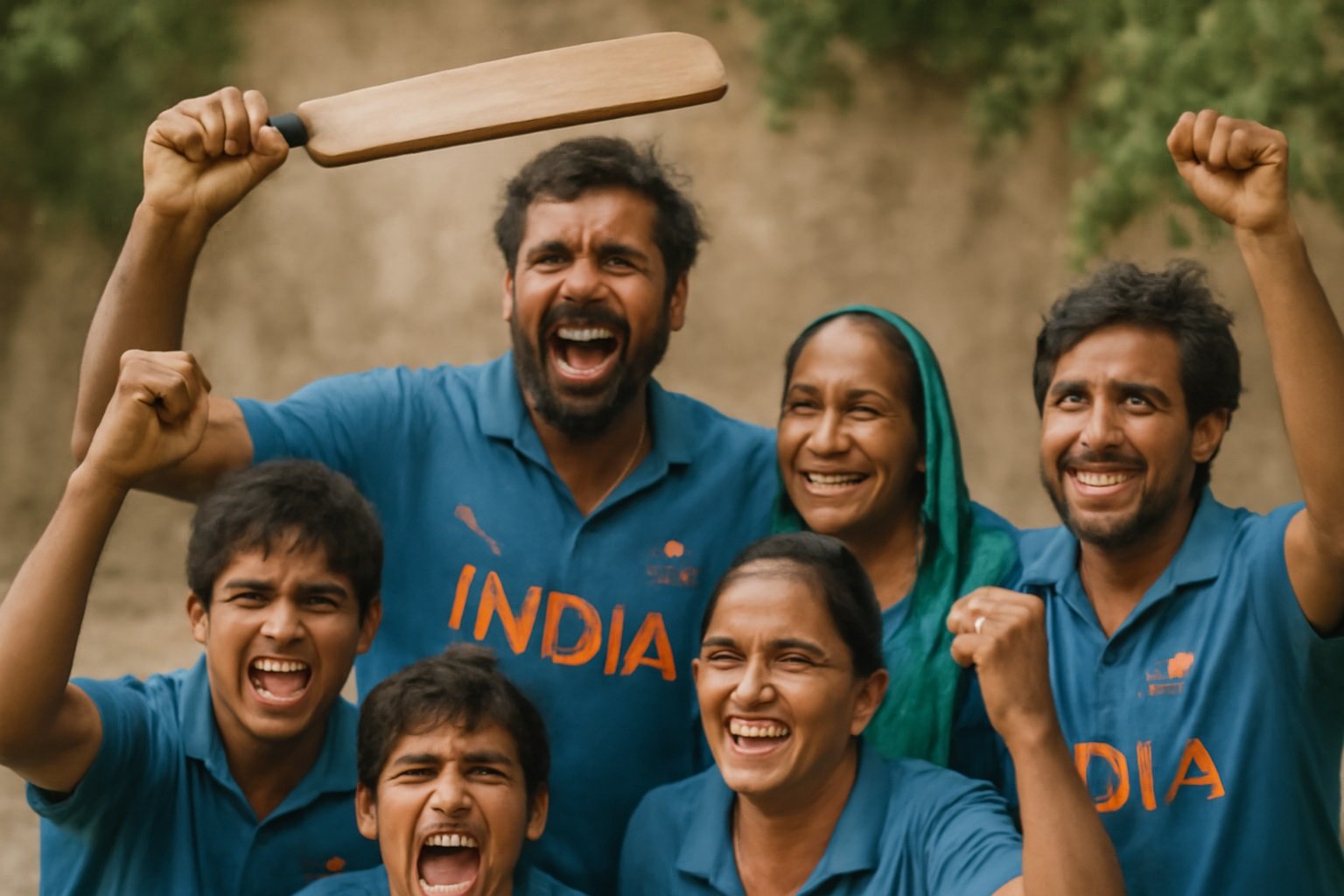
Cricket is not just a sport—it’s an emotion! For millions in Pakistan, India, England, and beyond, it’s part of daily life.
But why?
- Unity: Streets, villages, and cities unite over matches.
- Tradition: Passed from generation to generation.
- Language: Gave birth to phrases like “sticky wicket” and “bowled over.”
- Identity: Cricket jerseys, heroes, and rivalries shape national pride.
So, when you ask, why is cricket called cricket?—remember, the name is more than a label. It’s a symbol of passion, history, and unity.
Cricket Facts You Didn’t Know
Let’s spice things up with some cricket trivia:
- The longest cricket match lasted 14 days (England vs. South Africa, 1939).
- Sachin Tendulkar has scored 100 international centuries.
- The first-ever Cricket World Cup was played in 1975.
- The heaviest bat used was by MS Dhoni—1.5 kg!
- The smallest Test venue is in Galle, Sri Lanka.
- Pakistan’s Javed Miandad is famous for his last-ball six against India.
- “Duck” means a batsman got out on zero runs.
- Sir Donald Bradman’s average is 99.94—still unbeaten!
- Imran Khan is the only Pakistani captain to win the World Cup.
- The first day-night Test was played in 2015.
Cricket FAQs: Your Burning Questions Answered
Q: Why is cricket called cricket?
A: The name comes from old words for “stick” or “bat,” the main tool used in the game.
Q: What does the word cricket mean?
A: “Cricket” means stick, club, or bat, based on old English, Dutch, and French roots.
Q: Who named cricket?
A: No single person—villagers and early players in England used the word based on the stick/bat.
Q: What is the origin of the word cricket?
A: It comes from a mix of Old English (“cricc/cryce”), Dutch (“krick”), and French (“criquet”)—all meaning stick, club, or post.
Q: Is cricket only popular in England?
A: No, it’s hugely popular in Pakistan, India, Australia, South Africa, the West Indies, and many other countries!
Q: What are some common cricket terms?
A: Bat, wicket, crease, over, duck, googly, LBW, yorker, boundary, etc.
Cricket Terminology: The Basics
To become a cricket pro (or impress your friends!), learn these basics:
- Bat: The tool used by batters to hit the ball.
- Wicket: The set of three stumps and two bails.
- Bowler: The player who delivers the ball.
- Batsman: The player who tries to score runs.
- Crease: The line marking the batting/bowling area.
- Over: Six balls bowled by a bowler.
- Boundary: The outer edge of the ground.
- Duck: Getting out on zero.
- Googly: A tricky spin delivery by a bowler.
Quick Summary
So, why is cricket called cricket?
The name’s journey began with a simple stick—cricc, krick, criquet—and evolved as the game captured hearts worldwide. Whether you’re playing in the streets of Lahore, the fields of Surrey, or the stadiums of Melbourne, the word “cricket” connects us all.
Next time you pick up a bat, remember the centuries of history behind the name!


