


Which Cricket Ground Has the Biggest Boundary?
Did you know? Some cricket grounds have boundaries that exceed 85 meters, and they can turn the game into a different challenge altogether for batters. Let’s take a deep dive into the world of cricket grounds with the biggest boundaries and how it impacts performances.
Biggest Boundaries in Cricket
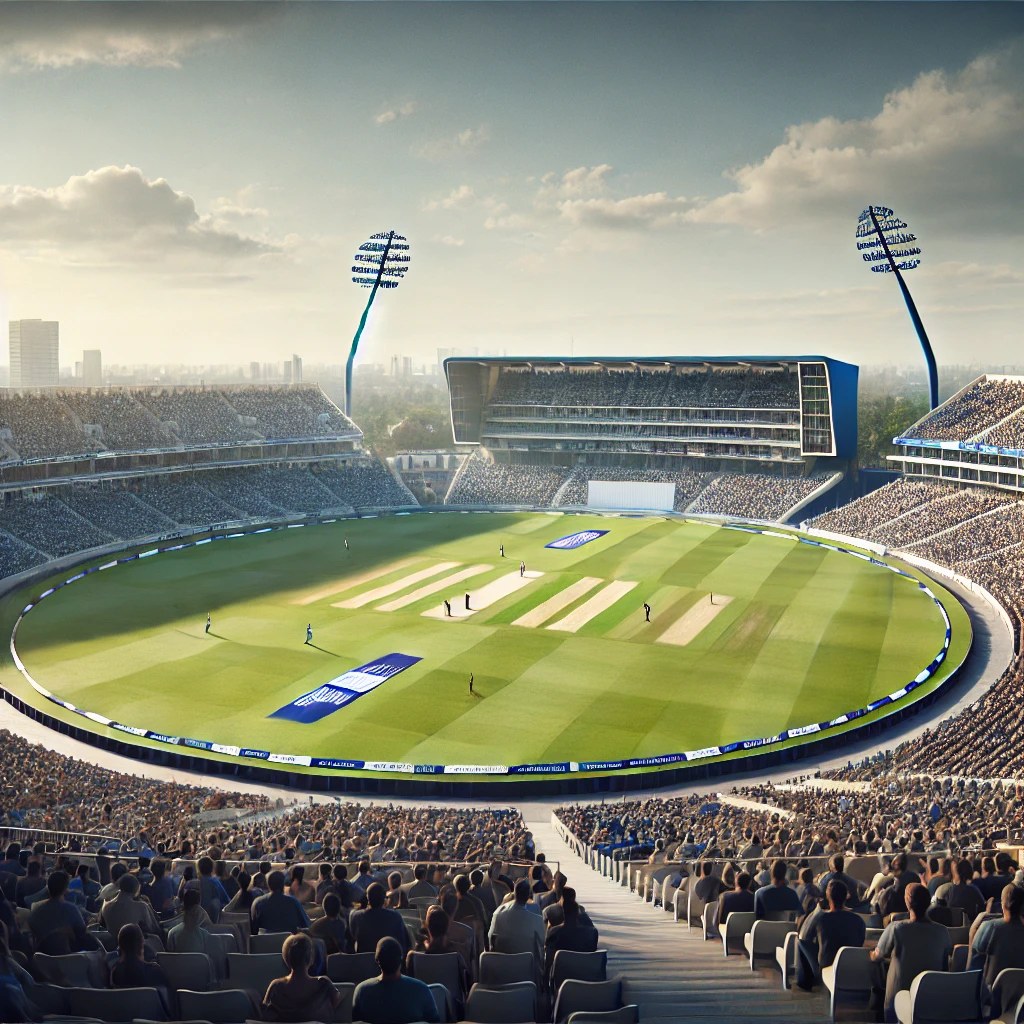
Here’s a look at some of the cricket grounds around the world with the biggest boundaries. We’ve compiled the distance from the pitch to the boundary line, focusing on the longest straight boundary and the longest leg boundary.
| Ground Name | Country | Straight Boundary (m) | Leg Boundary (m) |
|---|---|---|---|
| Melbourne Cricket Ground | Australia | 80 | 85 |
| Narendra Modi Stadium |
India | 75 | 83 |
| The Oval | England | 73 | 82 |
| Eden Gardens | India | 70 | 85 |
| Old Trafford | England | 71 | 80 |
| Wankhede Stadium | India | 70 | 75 |
Boundary Impact on Match Performance
The size of the boundary can affect both batting and bowling strategies. A closer boundary means more frequent sixes, but larger boundaries make every shot more strategic and every run harder to get. Here’s how the biggest boundaries have influenced top performers over the years:
| Player | Ground | Boundary Distance | Total Sixes Hit (Last 5 Years) |
|---|---|---|---|
| Chris Gayle | MCG (Australia) | 85m | 112 |
| MS Dhoni | Eden Gardens (India) | 75m | 98 |
| Ben Stokes | Old Trafford (UK) | 80m | 75 |
Impact on Batting and Bowling Strategy
With the boundaries being so big at some venues, a batter has to adjust his style. Batsmen at the Melbourne Cricket Ground (MCG) often rely on precision and timing rather than sheer power to hit a six, as the boundary distance challenges their hitting capabilities.
Understanding Cricket Grounds
Before we embark on our quest to find the cricket ground with the biggest boundary, let’s understand what constitutes a cricket ground. A cricket ground is typically an oval-shaped field, with a central pitch where the action takes place. Surrounding the pitch is the playing area, enclosed by a boundary line.

What is a Boundary in Cricket?
In cricket, a boundary is the perimeter of the playing area. When a batsman hits the ball and it crosses this boundary line without touching the ground, it scores a boundary, typically worth four or six runs, depending on where it lands.
Factors Influencing Boundary Size
Now, let’s explore the factors that influence the size of a boundary in cricket:
- Ground Dimensions: The overall size of the cricket ground plays a significant role in determining the boundary size. Larger grounds naturally have bigger boundaries compared to smaller ones.
- Pitch Position: The position of the pitch within the ground can affect boundary dimensions. If the pitch is positioned closer to the center of the ground, it allows for larger boundary areas.
- Ground Regulations: Different cricketing bodies and tournament organizers may have specific regulations regarding boundary sizes, which can vary from one ground to another.
- Pitch Conditions: The condition of the pitch can also influence boundary size. A pitch that offers more bounce and pace might result in longer boundaries as the ball travels faster.
The Quest for the Biggest Boundary
Now, let’s address the burning question: which cricket ground boasts the biggest boundary? The answer may surprise you. While there isn’t a definitive answer due to various factors, including ground dimensions and pitch positioning, some grounds are renowned for their expansive boundaries.

MCG (Melbourne Cricket Ground)
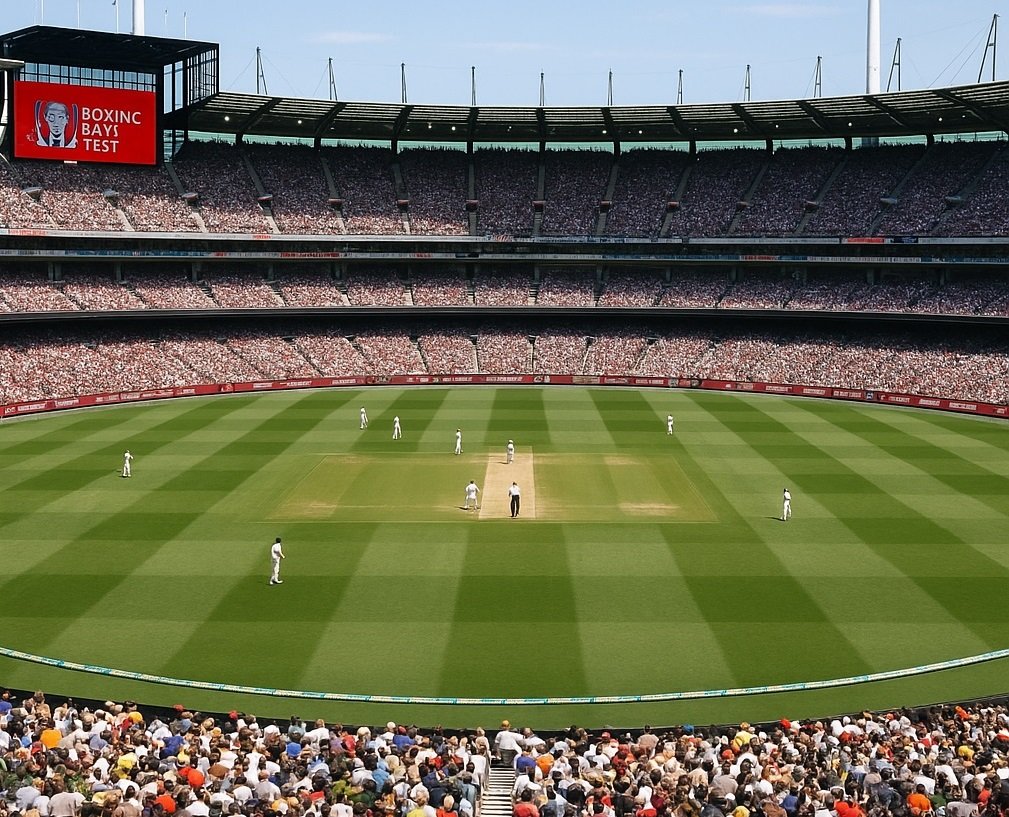
One contender for the title of the Biggest Boundary is the iconic Melbourne Cricket Ground (MCG) in Australia. Spread over a vast area, the MCG is known for its spacious outfield, which can result in long boundaries, particularly during cricket matches.
Eden Gardens
Another contender is the legendary Eden Gardens in Kolkata, India. With a seating capacity of over 66,000 spectators, Eden Gardens is one of the largest cricket stadiums globally and boasts a sizable playing area, including substantial boundary lengths.
Other Grounds
Several other cricket grounds around the world, such as Lord’s Cricket Ground in London, Old Trafford in Manchester, and the Sydney Cricket Ground (SCG), are also renowned for their generous boundary sizes, providing challenging conditions for batsmen.
The Role of Boundary Sizes in T20 Leagues
T20 leagues, with their fast-paced, aggressive style of play, bring out the big hitters. But when it comes to venues like Wankhede Stadium in Mumbai, where the boundaries are more moderate, the batters have to work extra hard to clear the ropes. The size of the boundary here significantly impacts both batsman confidence and bowler tactics. With the World T20 and IPL held at these venues, understanding the boundary dynamics can give teams a crucial edge in strategy.
Boundary Sizes and Records: Who’s Breaking Them?
One of the most exciting aspects of cricket is the breaking of records. At some of the biggest grounds, records like most sixes in an innings or the highest strike rate on large boundaries are constantly being challenged. Stadiums like Eden Gardens have seen some extraordinary feats over the years. But the question remains: which player will break the record for the most sixes at these enormous venues?
My Opinion: The Boundary Is a Game-Changer
As a cricket fan, the size of the boundary isn’t just a stat for the record books; it directly influences the dynamics of a match. We often talk about batting lineups, bowlers, and fielding setups, but we don’t always focus on how the size of the field itself can make a significant impact on the outcome.
The bigger the boundary, the more you get to see the tactical side of cricket come alive. On a ground with a vast outfield, we’re not just waiting to see sixes; we’re waiting to see players adjust their strategies, make smarter shots, and use placement rather than power. It truly adds another layer of excitement to the game. Imagine a fast bowler trying to bowl a yorker on such a field — every inch of space matters.
Common Confusion
- A bigger stadium does not always mean a bigger boundary.
- Boundary length can change match to match.
- TV camera angles often mislead viewers.
- Some grounds shift ropes for safety reasons.
FAQs (Frequently Asked Questions)
Which ground has the smallest boundary?
Sharjah Cricket Stadium is famous for having the smallest boundaries in international cricket.
Does ICC allow different boundary sizes?
Yes. As long as they stay within the approved range.
Is MCG harder for batsmen?
Yes. It requires more stamina and smarter shot selection.
Can boundaries change during tournaments?
Yes. Ropes are often adjusted for crowd safety or to protect the pitch.
Final Thought
To wrap up, understanding which cricket ground has the biggest boundary is more than just a fun fact for fans. It can significantly affect match outcomes, individual performances, and team strategies. So next time you’re watching a match at a stadium with a vast outfield, remember: the size of that boundary might be shaping the game more than you think.
Could this be the next big talking point for teams in ICC tournaments? Let’s wait and see how these boundary sizes continue to influence cricket in the years to come.


