If you love cricket, you have probably watched many fast and exciting T20 matches. Big sixes, clever slower balls, and nail-biting finishes make this format special. But have you ever stopped to think about something very basic yet important — the T20 cricket ball weight?
Many fans, beginners, and even club-level players ask simple questions like: Is the T20 ball lighter than the ODI ball? Does the Test cricket ball weigh more? Why does the ball sometimes feel different in each format?
These questions are common, and the answers are simpler than most people think. In this guide, we will explain everything in easy English, step by step. By the end, you will clearly understand the weight of T20 cricket ball, how it compares with ODI and Test balls, and why weight matters in the game.
What Is the T20 Cricket Ball Weight? (Quick Answer)
Let’s start with a direct and clear answer.
The official T20 cricket ball weight is between 155.9 grams and 163 grams. In ounces, this is roughly 5.5 to 5.75 ounces. This weight range is set by the International Cricket Council (ICC). It applies to men’s professional T20 matches played at international and domestic levels.
So, if you were expecting the T20 ball to be much lighter than others, you might be surprised. The difference is not as big as many people believe.
Weight of T20 Cricket Ball in Simple Terms
For beginners, numbers can feel confusing. So let’s explain it simply.
The T20 ball fits comfortably in one hand.
It feels solid but not too heavy.
It is designed to travel fast off the bat.
Bowlers can still swing and control it.
The weight of T20 cricket ball is carefully balanced. If it were much lighter, bowlers would struggle with control. If it were heavier, batting would become harder, especially in a format made for entertainment.
How Heavy Is a T20 Cricket Ball Compared to ODI & Test?
This topic often causes the most confusion. Many people believe that each cricket format uses a very different ball. In fact, T20, ODI, and Test cricket balls all fall within almost the same official weight range. Therefore, the actual difference in weight between them is minimal.
Weight of ODI Cricket Ball
The weight of ODI cricket ball is also between 155.9grams and 163 grams.
Yes, it is the same official weight range as the T20 ball.
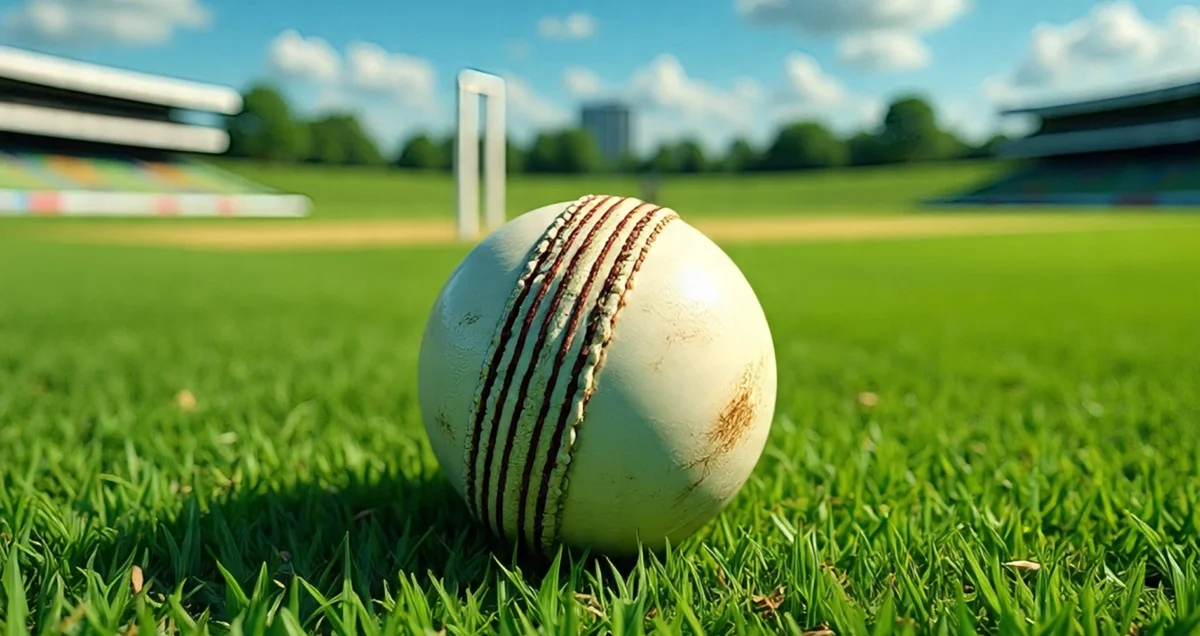
ODI matches usually use a white ball, just like T20s, but the weight remains unchanged.
Weight of Test Cricket Balls
The weight of Test cricket balls also falls in the same range: 155.9 grams to 163 grams.
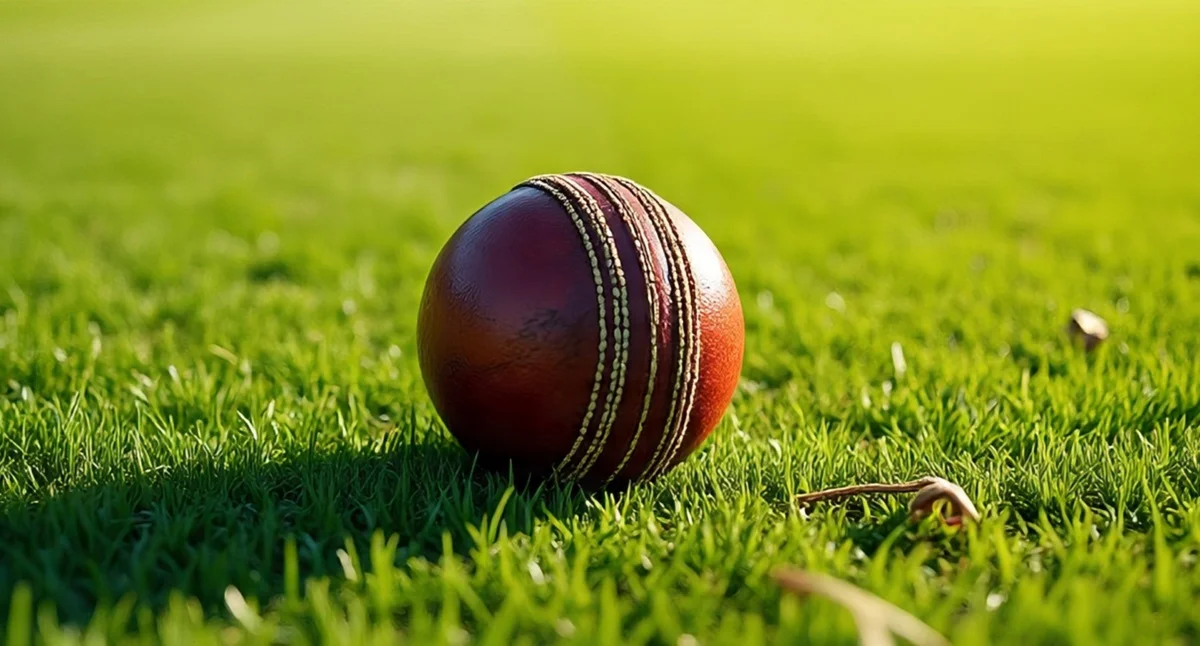
Test matches use a red ball, and sometimes a pink ball in day-night Tests. Even then, the weight rules stay the same.
So, Are All Cricket Balls the Same Weight?
By the rules, yes—cricket balls have the same weight across these formats. From a rulebook point of view — yes. From a playing experience point of view, not always.
The weight range is the same, but other factors can make the ball feel different. We will discuss those next.
Why Do T20, ODI, and Test Balls Feel Different?
If the weight is almost the same, why do players say the ball feels different in each format?
Here are the main reasons.
1. Color of the Ball
T20 and ODI mostly use white balls
Test cricket mostly uses red balls.
The dye used in coloring changes how the surface feels. White balls often feel slightly smoother at the start.
2. Type of Pitch
T20 pitches are usually flatter and better for batting. Test pitches change over time. This affects how the ball behaves, even if the weight stays the same.
3. Match Duration
T20 matches last around 3 hours
ODIs last most of the day.
Tests last up to 5 days.
In longer formats, the ball gets older, rougher, and heavier due to moisture and wear.
4. Over Rate and Usage
In T20 cricket, the ball is used aggressively for a short time. In Tests, the same ball is used for many overs. This changes how it feels in the hand.
Does Ball Weight Matter in T20 Cricket?
Yes, it does — but maybe not in the way you think.
The T20 cricket ball weight plays a role in both batting and bowling.
Impact on Batting
A balanced weight helps batters time the ball better.
The ball comes nicely onto the bat.
Big shots become easier when the timing is right.
This is one reason why T20 cricket has so many sixes.
Impact on Bowling
Bowlers rely on grip and control.
Too light a ball would be hard to control.
A ball that’s too heavy. A ball that’s too heavy would reduce swing.
The current weight of T20 cricket ball allows fast bowlers and spinners to stay effective.
Is the T20 Ball Lighter to Help Batters? (Common Myth)
This is a very popular myth.
Many fans believe that T20 balls are made lighter to help batters hit more sixes. This is not true.
The ICC has not reduced the weight of the ball for T20 cricket. Instead, high scores come from:
Shorter boundaries
Better bats
Flatter pitches
Aggressive batting mindset
The ball weight remains within the same official range.
White Ball vs Red Ball: Does Weight Change?
Another common question is about ball color.
White ball: used in T20 and ODI
Red ball: used in Test cricket
The weight does not change because of color. The difference lies in:
Surface coating
Visibility under lights
How quickly the ball gets dirty
So, even though the weights are the same, Test and T20 balls behave differently during play.
Why ICC Keeps the Same Ball Weight Across Formats
You might wonder why the ICC does not use different weights for different formats.
Here’s why:
It maintains fairness
Players can adjust easily between formats.
Equipment standards remain simple.
Safety risks are reduced.
Thus, keeping a similar weight ensures consistency at all levels of the game.
Does the Ball Feel Heavier in Cold or Wet Conditions?
Yes, it can.
Even though the official T20 cricket ball weight stays the same, conditions can change how it feels.
Moisture can add weight.
Cold weather makes the ball feel harder.
Sweat and grass affect grip.
This is why players sometimes say the ball feels heavier late in the game.
Do Different Brands Change Ball Weight?
Cricket ball brands must follow ICC rules. However:
Some balls feel slightly harder.
Some have a shinier surface.
Stitch quality may differ.
These factors affect the feel, but not the official weight. Whether it’s used in T20, ODI, or Test cricket, the ball weight stays within the legal range.
FAQs About T20 Cricket Ball Weight
Is the T20 cricket ball lighter than the ODI ball?
No. The weight of T20 cricket ball and the weight of ODI cricket ball are the same according to ICC rules.
Is the Test cricket ball heavier than the T20 ball?
No. The weight of test cricket balls also falls in the same range.
Why does the T20 ball seem easier to hit?
Because of pitch conditions, bat technology, and aggressive batting, it is not because of ball weight.
Does ball weight change during a match?
Officially, no, but moisture and wear can make it feel slightly heavier.
Is there a different ball weight for women’s T20 cricket?
Yes. Women’s cricket uses a slightly lighter ball, but still within ICC-defined limits.
Final Thoughts
The T20 cricket ball weight is one of those simple details that many people misunderstand. While T20 cricket looks very different from ODI and Test cricket, the ball itself is not very different in weight.
To sum it up:
T20, ODI, and Test balls have almost the same weight
Differences in feel come from color, pitch, and conditions.
Ball weight is not the reason behind high T20 scores.
Understanding these basics helps you appreciate the game more, whether you are a fan, a beginner, or a player. Cricket is not just about power — it’s about balance, skill, and smart design. And the cricket ball, in every format, is a perfect example of that balance.