


How Many Types of No Ball in Cricket?
Here’s the truth: most fans don’t fully realise that there are 5–7 major types of no balls, depending on how deeply you break down the rules under the International Cricket Council laws. And some of them are far more controversial than others.
- Front foot no ball
- Back foot no ball
- Full toss above waist (beamer)
- Too many fielders outside the circle (limited overs)
- Illegal bowling action / throwing
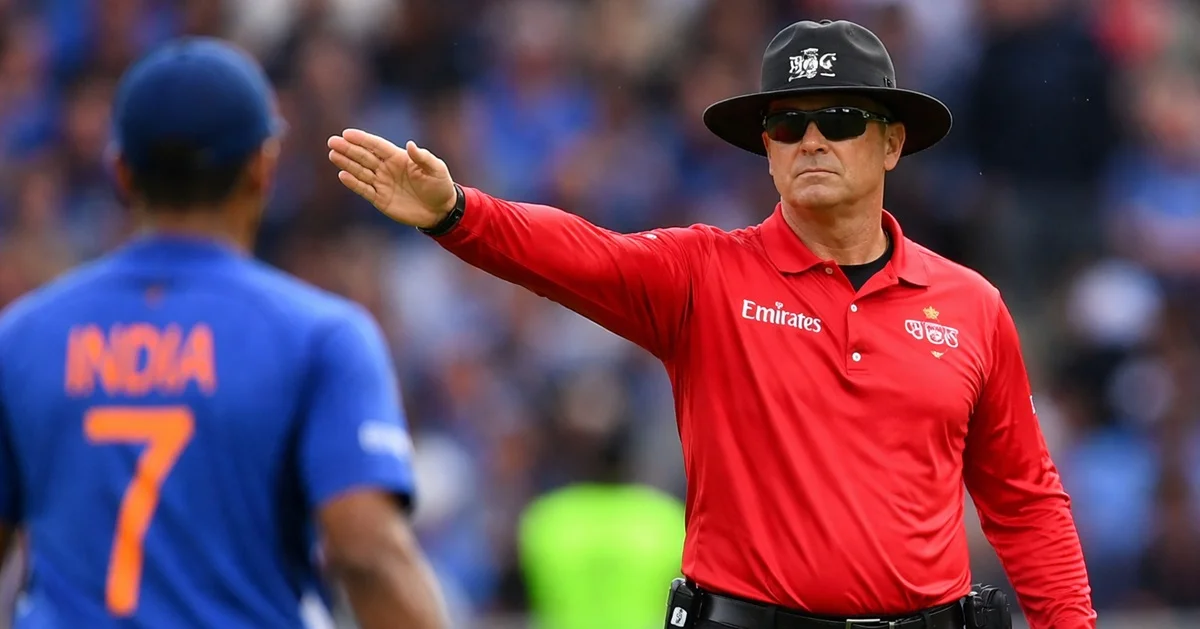
Breaking Down Each No Ball Type
1. Front Foot No Ball (The Most Common One)
This is the classic. If the bowler’s front foot lands beyond the popping crease, it’s a no ball. Simple—but brutally unforgiving.
👉 In modern cricket, especially after DRS tech upgrades, even millimeter oversteps are caught. Fast bowlers hate it.
2. Back Foot No Ball
Less talked about, but equally important. If the bowler’s back foot touches or lands outside the return crease, it’s illegal. Here’s the interesting part…
This mostly affects bowlers with wide delivery angles—like left-arm pacers going around the wicket.
3. Full Toss Above Waist (Beamer)
This one’s dangerous. If a full toss reaches the batter above waist height without bouncing, it’s automatically a no ball.
👉 In many cases, the bowler also gets a warning—or even banned from bowling further in the match. This rule exists for safety. No debate there.
4. Fielding Restriction No Ball (Limited Overs Cricket)
In ODIs and T20S, fielding rules matter. If the fielding team has too many players outside the circle, the delivery becomes a no ball. This directly links to ICC Free Hit Rules, where the next ball becomes a free hit.
5. Illegal Bowling Action (Throwing)
If the umpire believes the bowler is throwing instead of bowling, it’s a no ball. This is rare during matches—but heavily monitored off the field.
6. Bouncer Limit Violations (Modern T20 Rule)
In formats like T20s, bowlers are allowed only a limited number of bouncers per over. Exceed that → no ball. This is where it gets tricky…
Different leagues have slightly different limits.
7. Wicketkeeper Position Violation
What Most Fans Don’t Know
- You cannot be out bowled, LBW, or stumped on a no ball
👉 (Yes, even if the ball hits the stumps clean) - But here’s the twist…
You can still be run out. - Also, about your keyword:
“Is stumping out on no ball?”
❌ No, stumping is not allowed on a no ball.
Real Match Scenario (Feels Familiar?)
Next ball = SIX.
Common Mistakes Fans Make
- ❌ “Only front foot faults are no balls”
✔️ There are multiple types - ❌ “All dismissals are cancelled on no ball”
✔️ Only some (run out still counts) - ❌ “Full toss is always a no ball”
✔️ Only if above waist height - ❌ “Back foot no ball doesn’t matter much”
✔️ It can be just as decisive
Technology vs Human Umpires
In high-stakes matches, even one missed no ball can change history.
FAQs (Voice Search Friendly)
How many no balls are allowed in an over?
There is no limit, but each no ball gives extra runs and often a free hit, making it costly.
What happens after a no ball in T20 cricket?
The batting team gets 1 extra run + a free hit on the next delivery.
Can a batsman be caught on a no ball?
No. A batter cannot be dismissed caught on a no ball.
What is a back foot no ball?
It happens when the bowler’s back foot lands outside the return crease during delivery.
What is the full toss no ball rule in cricket?
A full toss above the batter’s waist height is called a no ball for safety reasons.
Final Thoughts (From a Cricket Analyst’s Lens)
One step too far can cost you the game.


