


Contents List
Which Ball Is Used in Test Cricket?
In Test cricket, the ball used depends on the country hosting the match. The International Cricket Council allows three approved brands: Dukes (England & West Indies), Kookaburra (most other countries), and SG (India). All three balls are red in color for traditional Test matches and must weigh between 155.9 and 163 grams under official laws.
History
There is only one official red ball for all Test matches. Imagine watching a Test in London and another in Mumbai — both use red balls, but they behave very differently. That’s because the brand changes with the host country.
How Test Cricket Balls Evolved
- Early Test matches used locally made leather balls.
- England standardized the Duke’s ball in the 18th century.
- Australia introduced Kookaburra balls in the 20th century.
- India adopted SG balls for home Tests.
- Today, the ICC approves multiple brands rather than a single global ball.
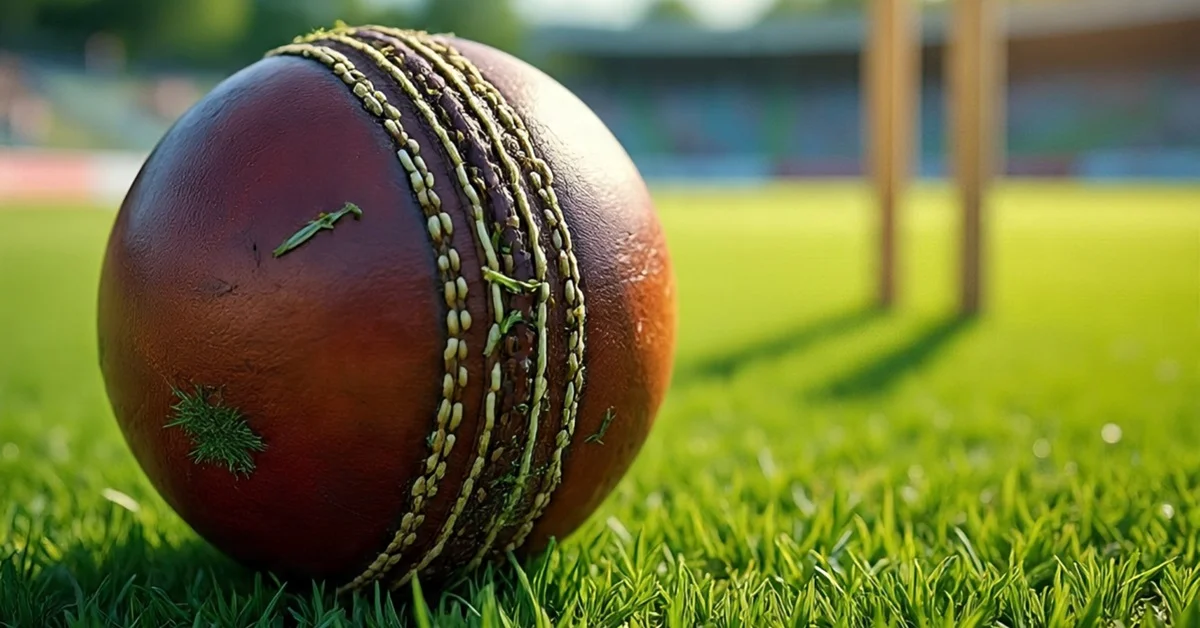
Test cricket began in 1877, and since then, each major cricketing nation has relied on its own manufacturer. Rather than forcing one ball worldwide, the ICC allows host boards to choose from approved suppliers. This keeps tradition alive and adds variety to conditions.
Why This Happens
You might wonder — why not use the same ball everywhere?
Imagine you’re a fast bowler playing in England. The weather is cloudy, and the pitch has grass. The Duke’s ball has a more pronounced seam and stays harder for longer. It helps you swing the ball more.
Now imagine playing in Australia. The pitch is dry and hard. The Kookaburra ball has a slightly flatter seam. It swings early but softens quickly, making reverse swing more important later.
In India, the SG ball is known for holding its seam upright for longer on dry surfaces. This helps both seamers and spinners in different ways.
The ICC permits the use of different cricket balls because environmental factors such as weather conditions, pitch characteristics, and soil composition differ significantly from one country to another. These factors influence how the ball behaves during play, affecting its swing, seam movement, and durability.
If only a single type of ball were used in all locations, it would diminish the inherent complexity and local challenges that contribute to the distinctiveness of Test cricket. By allowing various approved balls, the ICC ensures that players must adapt to the specific demands created by local environmental conditions, thereby preserving the unique competitive balance and skill diversity of the format.
What Experts Say
According to ICC Laws:
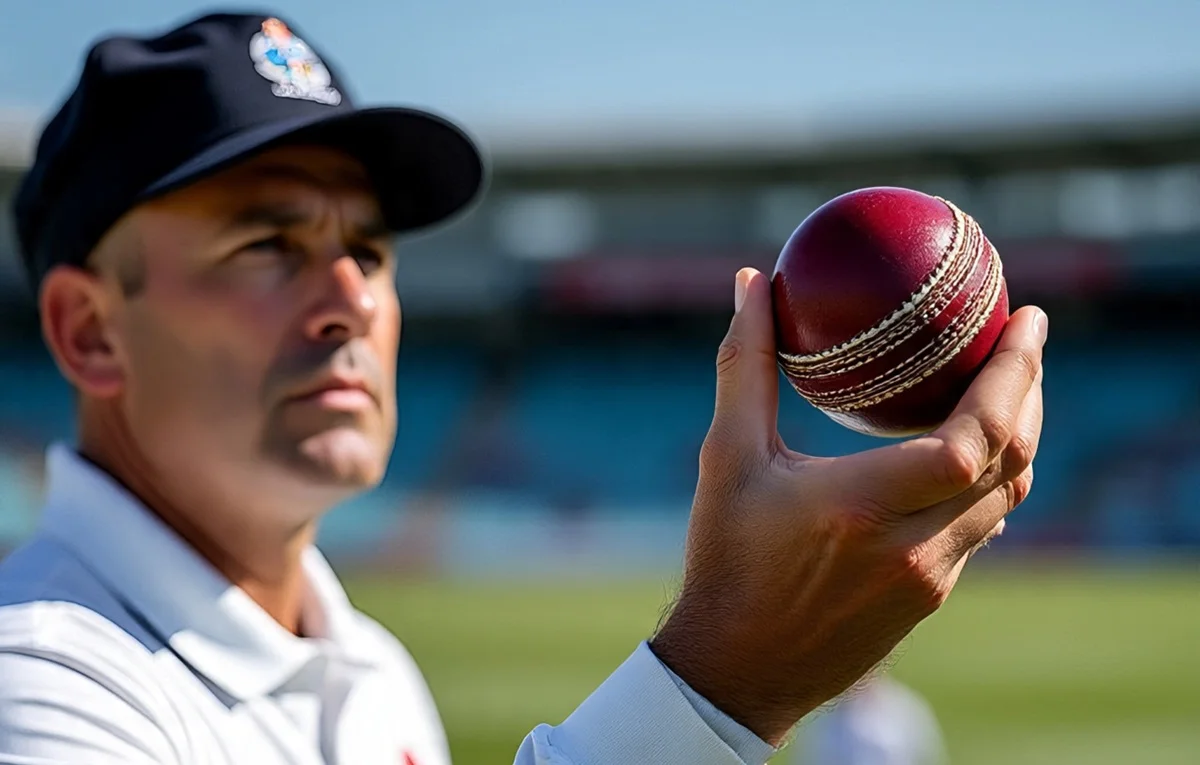
- A men’s Test cricket ball must weigh between 155.9 grams and 163 grams.
- Circumference must be 22.4 cm to 22.9 cm.
- It must be made of leather with a cork core.
- The ball must be red in traditional Test matches.
Fast bowlers often share these views:
- English bowlers prefer Dukes for a longer swing.
- Australian pacers adapt to Kookaburra’s shorter swing period.
- Indian bowlers appreciate SG for seam durability.
Former players from teams such as the England, Australia, and India national cricket teams have explicitly described how the choice of cricket ball influences match strategy. For example, former England captain James Anderson stated in a BBC interview that ‘the Dukes ball keeps its seam longer, so we plan our attack around maximizing swing for as many overs as possible.
Similarly, Australian seamer Mitchell Starc noted to ESPNcricinfo that the Kookaburra tends to ‘lose its shine quickly, so reverse swing becomes vital later in the innings.’ Indian off-spinner R. Ashwin has remarked, according to The Hindu, that ‘the SG ball’s upright seam helps spinners extract bounce even late into the Test.’
Ground reality: Captains plan bowling rotations based on how the specific ball behaves after 20–30 overs.
Stats / Real Examples
Here are real match patterns:
- In England during the Ashes, bowlers often take more wickets through swing in the first 30 overs due to the Dukes ball.
- In Australia during the 2021–22 Ashes series, the Kookaburra ball showed heavy reverse swing after 40 overs in dry conditions.
- In India during the 2021 home Test series against England, the SG ball maintained seam position longer, assisting spinners once it aged.
Typical behavior comparison:
- Dukes: Swings up to 40 overs.
- Kookaburra: Swings strongly for the first 20 overs.
- SG: Holds seam longer, aiding bounce and spin.
These differences directly affect batting averages and strike rates across countries.
Comparison of ICC-Approved Test Cricket Balls
| Ball Brand | Primary Countries Used | Key Characteristics | Typical Swing Duration | Best Suited Conditions |
|---|---|---|---|---|
| Dukes | England, West Indies | Pronounced seam; stays harder for longer | Up to 40 overs | Overcast, grassy pitches |
| Kookaburra | Australia, South Africa, New Zealand | Flatter seam; softer leather | Up to 20 overs | Hard, dry pitches |
| SG | India | Thicker, more upright seam; very durable | Holds seam the longest | Dry, turning tracks |
This table summarizes the main differences among ICC-approved Test cricket balls used in different countries, demonstrating how each is adapted to suit distinct environmental and playing conditions.
Common Confusion
- ❌ “Test cricket uses only one global ball.”
✔ Different countries use different ICC-approved balls. - ❌ “White balls are used in all formats.”
✔ White balls are for ODIs and T20s, not traditional Test matches. - ❌ “All red balls behave the same.”
✔ Seam design and stitching make a big difference.
FAQs (People Also Ask)
Is the same ball used in all Test matches?
No. The ball brand depends on the host country, but it must meet ICC standards.
Why is the Test ball red?
Red is easier to see in daylight matches and is traditional in long-format cricket.
Does the ball change during a Test match?
Yes. After 80 overs, the fielding team can use a brand new ball.
Which ball swings the most in Tests?
Many players say the Dukes ball swings the longest, especially in English conditions.
Quick Summary
So, which ball is used in Test cricket?
The answer depends on the host country. The ICC allows three main brands: Dukes, SG, and Kookaburra. All are red for traditional Tests and must follow strict weight and size rules.
Each ball behaves differently. That difference makes Test cricket unique in every country.


